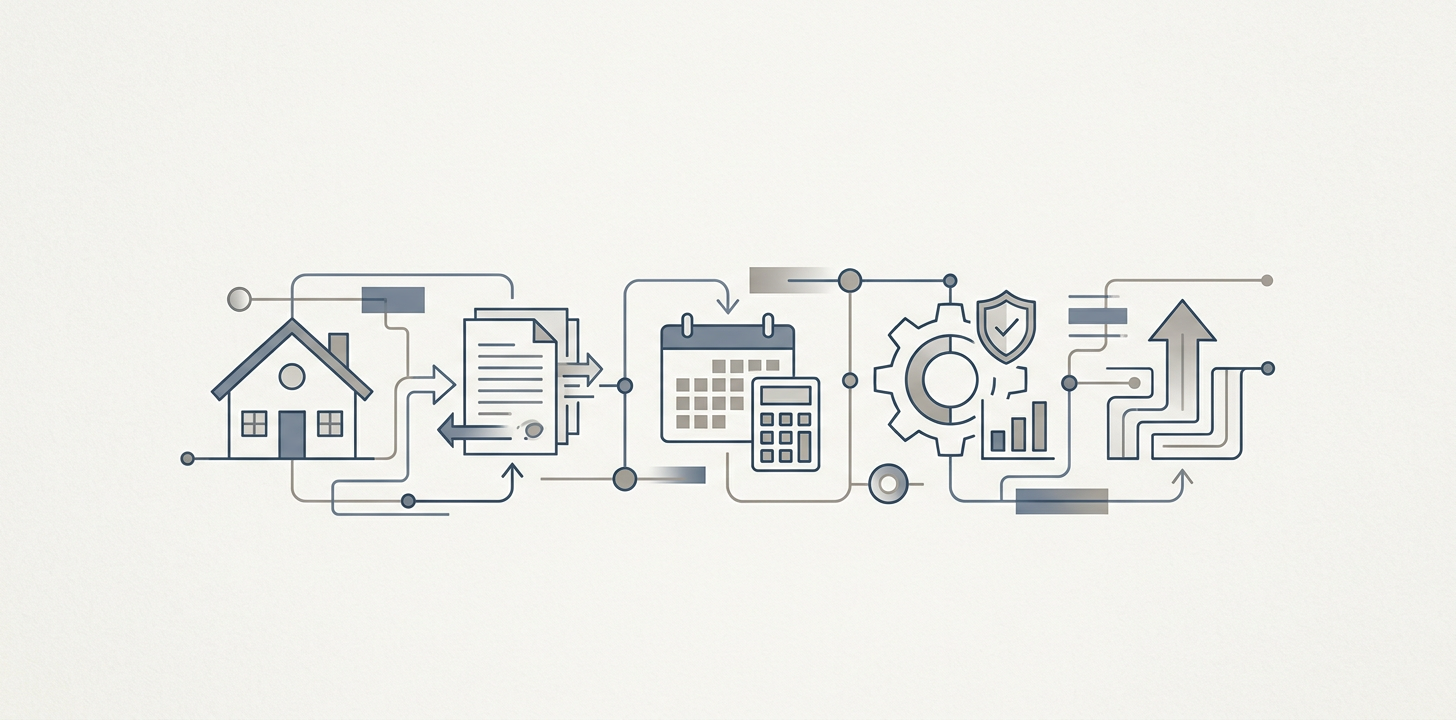
What Loan Servicing Software Has to Do
Private lenders outgrowing spreadsheets need an auditable ledger. See what loan servicing software does, what drives cost, and when to buy, extend, or build.
Better Software Team
Blog
Articles on product strategy, engineering principles, and building software that lasts.
Private lenders outgrowing spreadsheets need an auditable ledger. See what loan servicing software does, what drives cost, and when to buy, extend, or build.
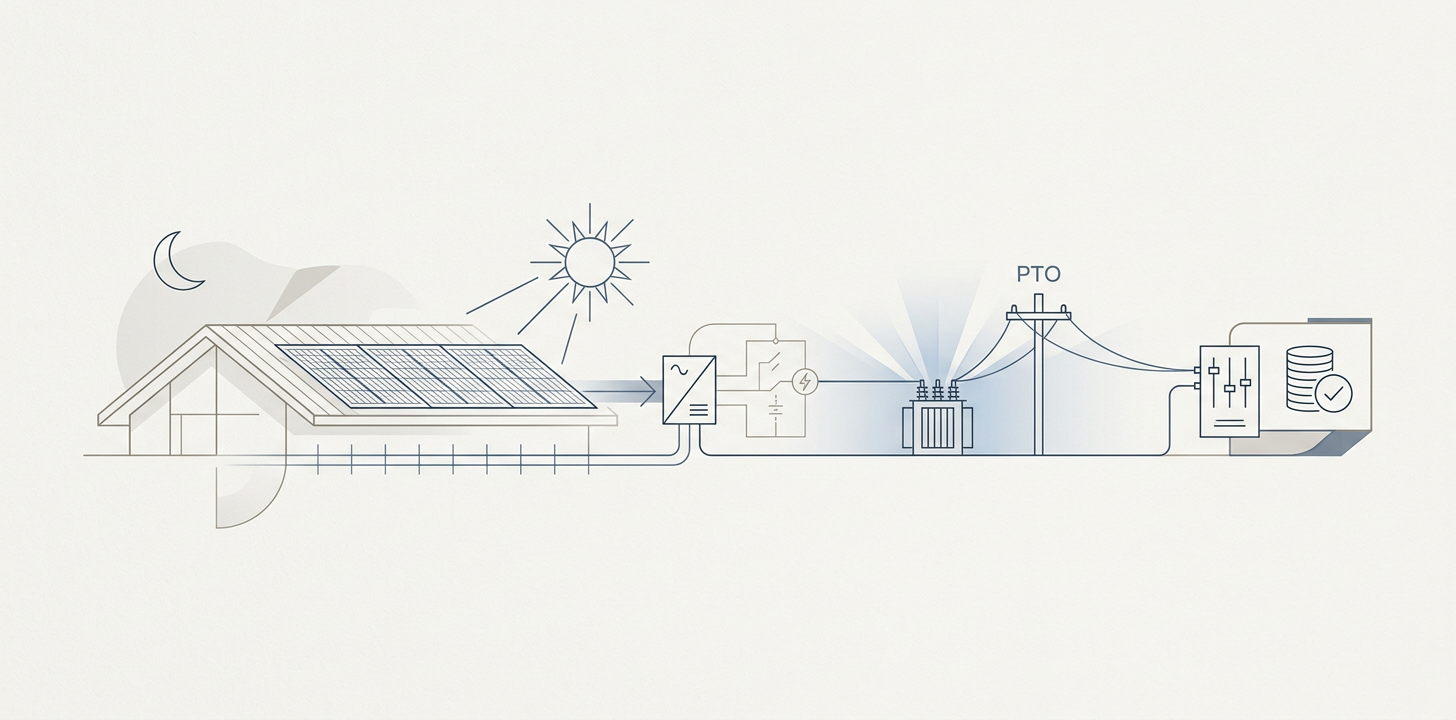
Solar project software tracks tasks but not where jobs stall between contract and PTO. See which stages park cash and which delays are yours to fix.
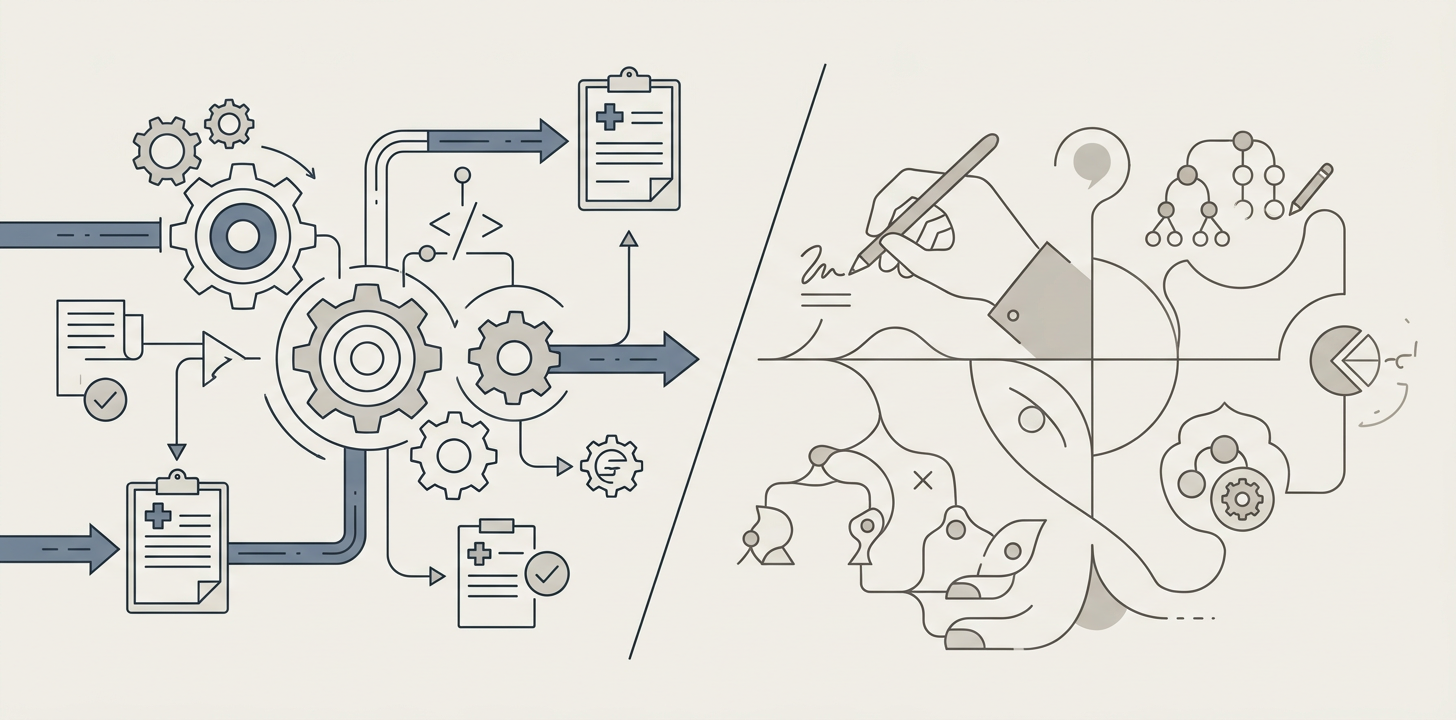
What prior authorization software automates, what still lands on your staff after approval, and how to pilot a platform across a multi-location practice.

Plan EHR integration around data access, patient matching, vendor constraints and ongoing support. Compare reporting, exports and write-back workflows.
Understand trade reconciliation, cash and position breaks, exception ownership and when to integrate existing tools or build custom financial software.
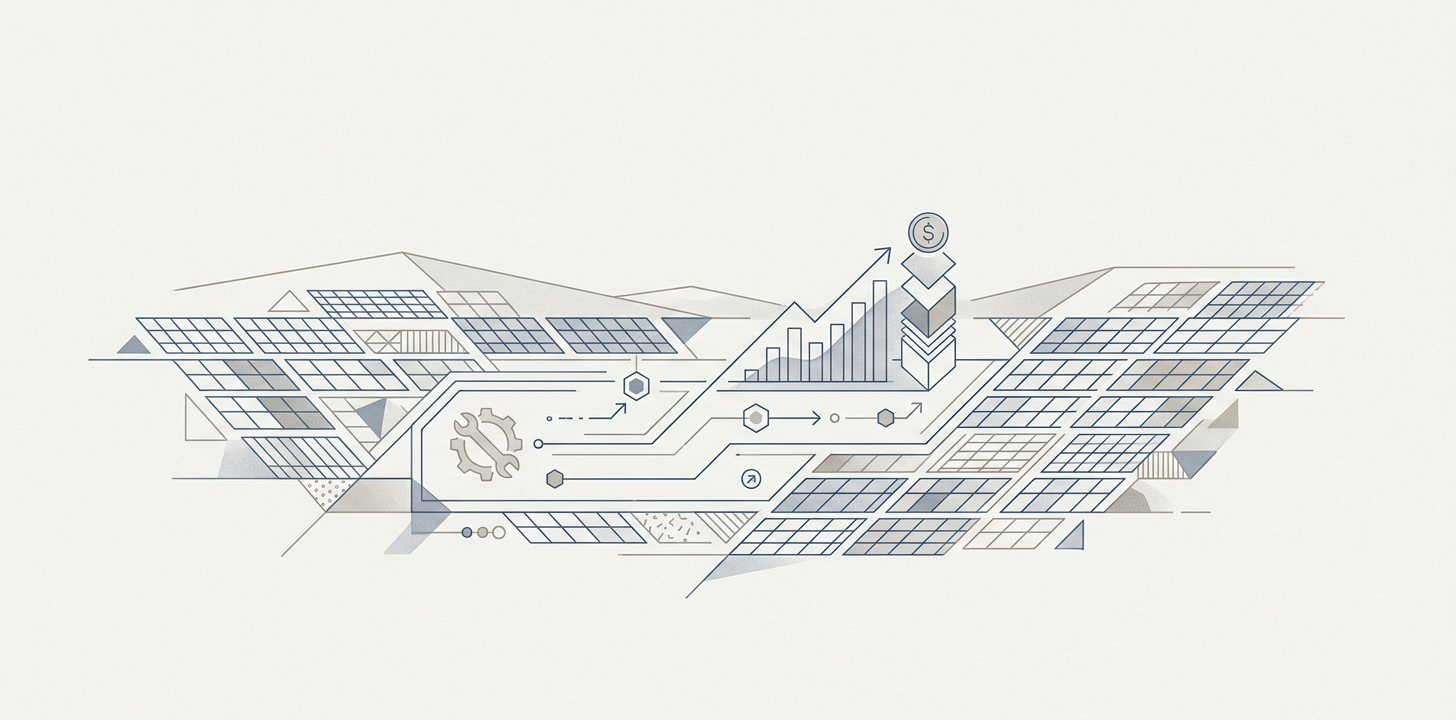
Solar installers already run an O&M business. See how mixed-fleet alert triage, warranty recovery, and truck roll costs decide what to buy or build first.
Compare configuration, integration and custom software for solar sales-to-install handoffs. Use a practical checklist before commissioning a build.
Front-desk eligibility verification eats staff hours and leaks revenue. See the real cost, the three solution tiers and when to build your own workflow.

A fractional CTO buys judgment, not delivery. Diagnose which layer of technical ownership you are missing, when to hire one and when it will not help.
A founder’s guide to user acceptance testing, with real journeys tested against written criteria and the production-readiness checks UAT can never prove.

Test the problem, users and buying decision before building your first product. A practical discovery plan for founders with industry experience.

A clear definition of production ready for non-technical founders, with seven gates, the evidence to ask for at each one, and what it costs to skip them.
Better Software is a custom software development agency, part of Better. We help founders and businesses build new products and improve existing software.




© 2026 Jalan Technology Consulting Pvt. Ltd.